Artificial Intelligence and Its Role in Robotic Parking
Welcome to the world of robotic parking, a fusion of artificial intelligence and urban mobility that feels like a scene from a sci-fi movie. Imagine a bustling metropolis, humming with the energy of technology and innovation, where vehicles park themselves with the elegance of a dancer. No more searching for that elusive parking spot or circling the block in frustration. Instead, a symphony of sensors, AI algorithms, and automated systems work together, transforming not just how we park, but how we perceive travel itself. Robotic parking is more than a convenience; it is a harbinger of the digital age's profound impact on our daily lives.
As we venture deeper, we touch on a core question: What does this shift in parking mean for social interactions and urban design? The embrace of robotic parking may very well redefine not just the physical space of our cities, but the very nature of how we interact with them. With AI at the steering wheel, it raises intriguing notions about the balance between convenience and the essence of human experience in urban environments.
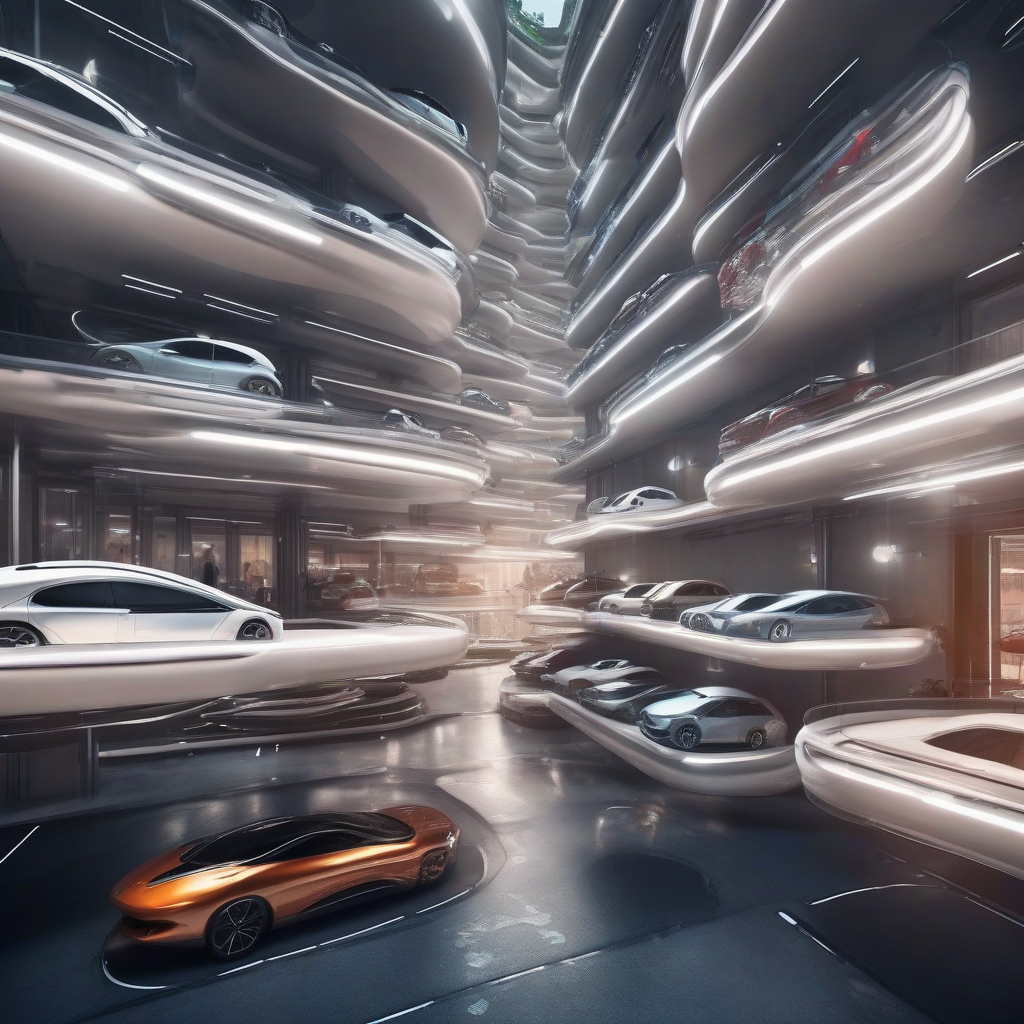
The Mechanisms Behind Robotic Parking
At the heart of robotic parking systems lies a complex interplay of technologies – sensors, machine learning, and cloud computing. Picture a parking garage where each car is equipped with an array of sensors, communicating not only with each other but also with central management systems via high-speed internet. This collaborative dialogue allows them to find optimal paths to parking spots that adapt in real-time to changing conditions. It's like a digital dance, choreographed by algorithms, where every turn and maneuver is calculated with precision.
Furthermore, the emergence of AI-driven parking solutions reflects a broader trend in data utilization. Much like science's evolution, parking robots rely on massive datasets to learn and improve their performance. As they interact with their environments, these systems constantly refine their strategies, enhancing safety and efficiency over time. However, this raises questions about data privacy and ethical use. Who gets to own the data generated by these parked vehicles? The implications stretch far beyond parking garages into the realm of urban planning and personal ownership.
Imagine: A Day in the Life with Robotic Parking
Imagine stepping out of your car at the curb, your destination just a block away. You hit a single button on your smartphone, and just like that, your vehicle smoothly glides away into the nearest robotic parking hub, navigating traffic with an effortless grace that seems almost magical. As you enjoy your day, your car is busy optimizing its parking space, perhaps even negotiating a swap with another vehicle to maximize space utilization in the facility. What once required human effort is now entirely automated, allowing people to focus on more productive or enjoyable activities.
Later, when it's time to return home, a simple command summons your car back to your location. But what if a disaster strikes? A malfunctioning sensor? A traffic jam? The intelligence of these systems isn’t simply about navigating; it’s also about making real-time decisions that prioritize safety. The emergence of AI in robotic parking isn't just about elegance; it forces us to confront the new nature of trust we place in machines. Can we trust our vehicles to act autonomously without our oversight, gripping the wheel only when necessary?
The Road Ahead: Challenges and Opportunities
Despite the allure of robotic parking, it’s not without challenges. Regulatory hurdles loom large, as lawmakers grapple with the implications of vehicles that operate without human control. How do we ensure safety in a landscape where machines make decisions? What liability exists if a parking robot causes an accident? The path forward requires collaboration between tech companies, city planners, and policymakers to navigate this uncharted territory. It is here that we reflect on the lessons learned from the advent of ride-sharing and their regulatory impact.
Moreover, could robotic parking become a gateway to larger conversations around urban efficiency? As more cities adopt these technologies, we might see a shift not only in parking but in how we design entire neighborhoods. Imagine cities designed with less space allocated for parking, focusing instead on mobility systems that accommodate shared and autonomous vehicles. This may lead to an urban renaissance, breathing new life into public spaces while simultaneously addressing the challenges of congestion and climate change.
Conclusion
Robotic parking is merely the tip of the iceberg, revealing much about our relationship with technology and space. As we embrace these innovations, we must remain vigilant stewards of our shared environments. By aligning the rapid pace of technological advancement with the needs of society, we can sculpt a future that merges the functionality of robotic systems with the warmth of human experience. The narrative of urban life is evolving, and in the symphony of AI and robotics, we are both the audience and the performers.
Sample Algorithm for Parking Optimization
def optimize_parking(spots, vehicle):
    optimal_spot = None
    for spot in spots:
        if spot.is_available(vehicle):
            optimal_spot = spot
            break
    return optimal_spot