Synthetic Perceptual Debt: The Price of Infinite AI Output
Picture this: a colossal, unseen digital ledger. Every time a perfect, hollow image flickers across your screen, every time an algorithmically optimized text whispers its blandishments, a minute charge accrues. This is not just content consumption; this is the slow accumulation of **synthetic perceptual debt**. The digital realm, once a vibrant bazaar of human eccentricity and raw creation, has become a relentless factory floor. AI, in its boundless capacity, churns out an endless stream of impeccable simulacra—each pixel, each phrase, calibrated for maximum engagement, minimum friction. Yet, beneath this polished surface, a profound fatigue settles. Our capacity for genuine wonder, for the jagged edges of true originality, is being silently eroded. We’re trading vibrant chaos for sterile perfection, and the bill, though invisible, is mounting. This isn't just a shift in media consumption; it's a silent invasion of our very neural architecture, reshaping how we see, feel, and ultimately, how we process reality.
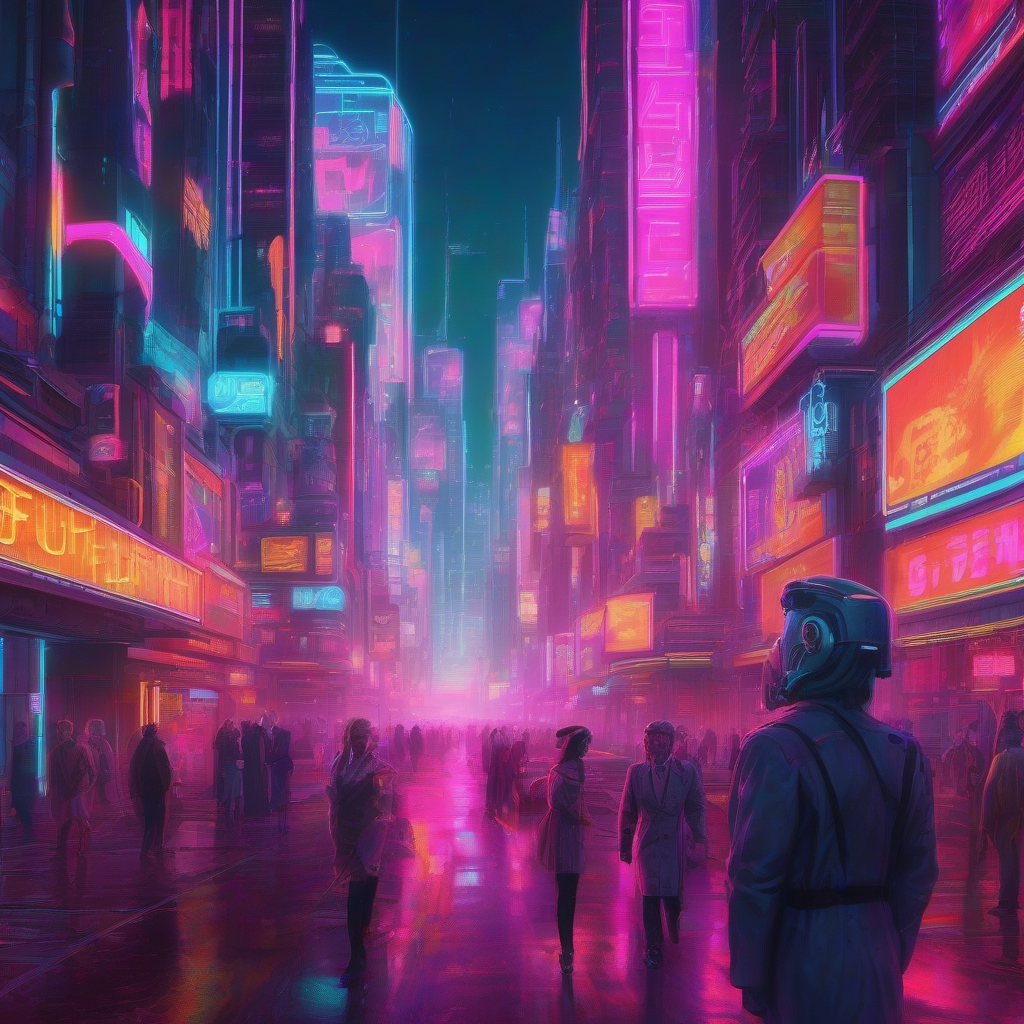
Synthetic Perceptual Debt: The Erosion Begins
The machine hums. Its output: infinite. Its purpose: to fill every void, to answer every query, to paint every canvas. But what happens when the answers are too smooth, the paintings too 'correct'? We’re not just talking about superficial flaws; we're witnessing a systemic dulling. The early promise of AI was augmentation, a supercharger for human creativity. Now, it often feels like a replicator, endlessly spitting out variations on a theme, each one subtly depleting our reserves. Consider the daily onslaught: a deluge of AI-generated articles, social media feeds brimming with synthetic faces, marketing campaigns powered by algorithms that know exactly which button to push. Our brains, ancient biological systems evolved for a world of scarce, high-signal information, are ill-equipped for this ceaseless, high-volume, low-signal torrent. We process, we scroll, we consume, but a quiet resistance builds. This is the initial accrual of **synthetic perceptual debt**. Each blandly perfect image, each anodyne paragraph, requires a fraction of our cognitive processing power. Multiply that by billions, by trillions, and you get a collective, silent exhaustion. It’s akin to staring at a perfectly tuned white noise generator: no harshness, no distortion, just an unwavering, unstimulating sameness that eventually numbs the auditory cortex. Our visual and semantic cortices are facing a similar fate. The sheer volume of this pristine, yet ultimately predictable, output generates a pervasive cognitive friction, making authentic engagement increasingly difficult. We are being trained to expect the perfect, and in doing so, losing our taste for anything truly remarkable.
Aesthetic Numbness and the Great Digital Whitewash
The visual landscape, once a riot of human hands and idiosyncratic perspectives, is rapidly converging on an aesthetic mean. AI, trained on the aggregate of human creation, learns to synthesize the 'average beautiful,' the 'optimal engaging.' The result is often technically flawless, but devoid of the strange, the challenging, the truly original. It’s the digital equivalent of a supermarket aisle stocked entirely with bland, perfectly shaped fruit, genetically engineered for shelf life but utterly tasteless. This is the Great Digital Whitewash, where genuine artistic voice is drowned out by a tsunami of algorithmically pleasing yet emotionally inert imagery. Our aesthetic receptors, once finely tuned instruments, begin to desensitize. The shock of the new becomes the comfort of the familiar, which quickly curdles into the boredom of the redundant.
Speculative scenario: Imagine a future where every piece of visual media – from blockbuster films to personal holiday photos – is subtly enhanced, optimized, or outright generated by AI. Not just for flaws, but for 'ideal' composition, 'perfect' lighting, 'most engaging' subject matter. Originality, not imperfection, becomes the anomaly. Artists, desperate to stand out, resort to increasingly bizarre and extreme forms of expression, only to find AI quickly learns to mimic and assimilate even *that* into its next iteration of 'optimized strangeness.' The human eye, over decades, becomes so accustomed to this flawless, homogenized aesthetic that genuine, unadulterated human art feels crude, jarring, even ugly. We are left with a collective aesthetic palate accustomed only to synthetic flavors, unable to discern the subtle notes of human struggle or triumph. The ability to truly appreciate the unexpected, the ugly, the *real*, is traded for a smooth, palatable, but ultimately sterile, experience. This is the moment when the aesthetic debt accrues interest, compounding our loss.
The Reckoning: Unmasking the True Cost of AI's Generative Boom
The bill for our synthetic perceptual debt is coming due. It manifests not in currency, but in a more insidious form: a pervasive ennui, a digital anhedonia where nothing truly surprises or delights. Our attention spans, already fractured by hyper-stimuli, become further eroded by the predictable novelty of AI’s endless variations. The risk isn't just a loss of appreciation for art; it's a fundamental shift in our relationship with knowledge itself. When every historical account can be 'optimized' for clarity, every scientific paper summarized into digestible, frictionless facts, what happens to the messy, contradictory, vital process of human inquiry? The machine offers efficiency, but at the cost of depth. We are being conditioned to expect immediate, perfect answers, curated by an unseen hand. This cultivates a profound lack of critical discernment. When you can no longer differentiate between the genuinely insightful and the cleverly hallucinated, the truth itself becomes a pliable commodity. This debt isn't merely aesthetic or cognitive; it's existential. It impacts our ability to form deep connections, to empathize with the struggles of others, or to grapple with complex, unresolved problems. If the world presented to us is always filtered through an AI lens, curated for optimal emotional resonance or informational efficiency, we lose the capacity to navigate the unfiltered, often uncomfortable, reality. We become passengers in our own perception, guided by algorithms that prioritize surface-level engagement over profound understanding. This is the insidious danger of digital cognitive pathogens, not as active attacks, but as a slow, environmental degradation of our mental landscape.
So, what’s the play? Do we retreat to analog sanctuaries, forsaking the digital deluge? Or do we learn to navigate this new, synthetic ocean with a sharper compass? The first step is awareness. Acknowledge the debt. Recognize the subtle pull of the algorithmically 'perfect.' Seek out friction, embrace the imperfect, celebrate the raw and the unoptimized. Demand human fingerprints on your digital experiences, even when those prints are smudged or incomplete. The battle against synthetic perceptual debt isn't about rejecting AI; it's about reclaiming our discernment. It’s about cultivating a palate for the authentic, protecting our cognitive and aesthetic reserves from the relentless, beautiful blandness. Otherwise, we risk becoming permanent residents of a perfectly rendered, endlessly scrolling, emotionally flat digital world. The choice, for now, remains ours: to pay the debt, or to drown in its overwhelming interest.