The Rise of Robotic Airport Parking: A Speculative Dive
Welcome aboard the speculation express, where today we’re zooming into the world of robotic airport parking. Imagine a bustling airport where travelers step out of their cars with nary a glance back, knowing that a fleet of autonomous vehicles will whisk their machines away to neatly organized parking spots. It sounds like a scene straight out of a science fiction novel, but as we peek into the future, this scenario feels chillingly plausible. With rapid advancements in AI and robotics, the groundwork for such systems is already being laid out in the busy airways of our cities.
Robotic airport parking isn't merely a novelty; it's an embodiment of efficiency, sustainability, and a glimpse into our automated future. But what does this mean for the broader travel industry and urban infrastructure as we tumble down this digital rabbit hole?
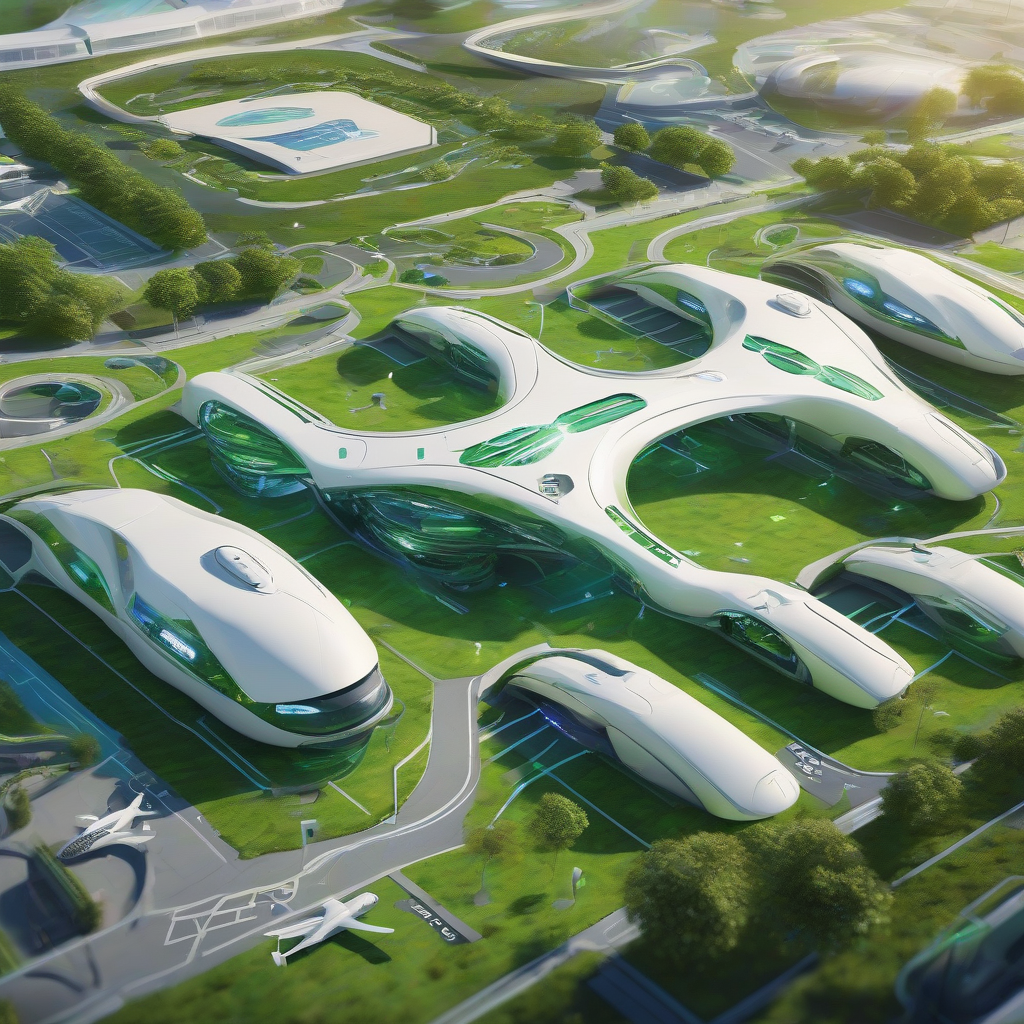
Unpacking Robotic Airport Parking
At its core, robotic airport parking systems rely on advanced automation and AI to streamline vehicle management. Rather than a human attendant guiding a car into a cramped spot, specially designed autonomous systems would handle the entire process, from parking to retrieval, reducing wait times and optimizing space. The technology is positioned to revolutionize how we engage with transportation infrastructure, especially as urban spaces become more congested.
Consider the implications: with more efficient parking solutions, airport designs might shift dramatically. Space previously designated for vast parking lots could be repurposed for green areas or extended terminals. This exciting shift could improve passenger experience immensely, but it also opens the door to a society increasingly reliant on technology to do the driving — literally. As we embrace these innovations, we must ponder: will the convenience outweigh the loss of driver control?
Imagining the Future: A Speculative Scenario
Imagine: in the not-so-distant future, arriving at an airport feels like stepping into a seamless experience crafted around AI-driven convenience. Passengers who pre-book their flights would also reserve a parking slot via an app. Upon arrival, their vehicles would automatically disconnect from the driver's control, navigating to their assigned spaces autonomously. The entire experience becomes frictionless — a stark contrast to our current, often chaotic airport visits.
In this speculative future, consider the emergency implications. If an airport faced a threat, a fleet of robotic cars could potentially be directed to evacuate passengers faster than any human could react. Or imagine a scenario where a malfunctioning robot leads to a parking jam; the unintended consequences would require advanced predictive algorithms to mitigate losses efficiently. The challenge then morphs into ensuring AI systems remain fail-safe while also deciding ethical boundaries in emergency protocols.
Such explorations lead us to grapple with the societal changes this shift may engender. As we cede more control to technology, do we risk becoming mere participants in our journeys, losing integral aspects of agency and spontaneity?
The Broader Implications for Society
With the introduction of robotic airport parking comes a profound societal shift. As cities embrace more automated systems, job losses in traditional parking and attendant sectors could ensue, necessitating a robust conversation about workforce transitions and reskilling. Yet, on the flipside, new job markets could emerge, centered around the maintenance and oversight of these intricate systems.
Moreover, there's the ecological perspective. With optimized parking and reduced emissions from circling vehicles, airports may finally attain a semblance of sustainability. The environmental benefits could ripple outward, influencing urban planning policies and inspiring greener transport initiatives across the board. Could this be the catalyst for a new paradigm in how we see mobility, where sustainability is integral, not an afterthought?
Closing Thoughts
As we navigate the uncharted waters of robotic airport parking, we must remain vigilant. While the technology promises significant perks, it also poses questions about our relationship with autonomy, labor, and the environment. These considerations aren't merely theoretical; they will define the cities of tomorrow. As we embark on this adventurous journey, embracing innovation while questioning its consequences will be key to shaping a future that reflects our collective values and aspirations.
So, buckle up! The ride into the future is just beginning, and there's so much more to explore.
Example AI Parking Algorithm
def park_vehicle(vehicle):
    # Logic for autonomous parking.
    pass