Creating Safer Roads with AI Technology
Imagine driving down a highway where vehicles communicate with each other, and the road itself anticipates the unforeseen. This is not just a futuristic fantasy; it’s a glimpse into the transformative world of safer roads with AI technology. Picture this: sensors embedded in the asphalt, analyzing traffic patterns, weather conditions, and even the driver's emotional state in real-time. These smart roads would not only alert drivers to potential hazards but would also modify traffic signals dynamically to mitigate congestion and prevent accidents before they happen.
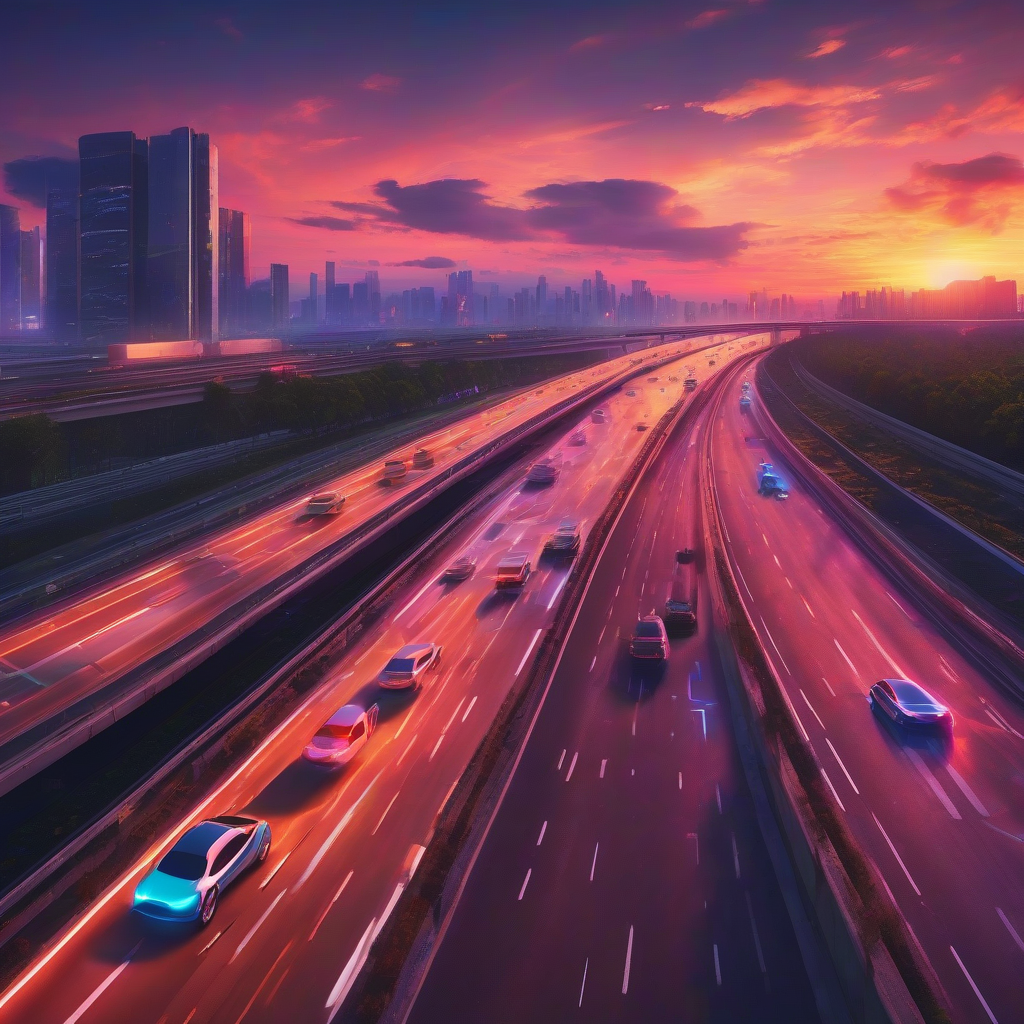
The Intersection of AI and Road Safety
As cities expand and traffic increases, the need for innovative solutions in road safety becomes paramount. Traditional traffic systems are often reactive, responding to accidents and congestion rather than preventing them. Enter AI, a powerful ally set to revolutionize how we experience transportation. Through machine learning algorithms, AI can analyze vast datasets, detecting patterns and predicting accidents. By simulating various traffic scenarios, AI can suggest optimal routes, enhancing not just individual journeys but the overall flow of urban mobility. This proactive approach could lead to a significant reduction in road incidents — a world where fewer lives are lost and safer roads become the norm.
Not just about preventing collisions, AI’s role extends to understanding human behavior. Imagine an AI system capable of reading facial expressions or monitoring fatigue levels through in-vehicle cameras. If a driver appears distracted or drowsy, the vehicle could gently alert them, or even take over certain functions to ensure safety. This level of interaction between AI and drivers transforms road safety from a mere statistic into a personal responsibility, allowing for a tailored approach to each trip.
Speculative Scenario: A Day in the Future
Speculative scenario: Picture a day in 2035 where you step into your autonomous vehicle, a sleek machine humming softly as it prepares for the journey ahead. As you buckle up, the AI seamlessly integrates with the city’s infrastructure, receiving real-time data about traffic patterns, weather conditions, and even pedestrian movements. The vehicle suggests an alternate route that’s five minutes faster, avoiding a construction zone detected just moments ago.
As you cruise effortlessly, the road surface beneath is laced with smart technology, adapting to changing conditions. If rain begins to fall, the road emits a signal, alerting your vehicle to adjust speed and traction. It’s as if the road is alive, calculating the safest speed for the current conditions. Meanwhile, the onboard AI monitors your stress levels, suggesting calming music as you approach a particularly congested area. This is a world where technology is in tune with human emotion, creating a harmonious blend between driver and machine. It’s not just about getting from point A to point B; it’s about enhancing every moment spent on the road.
Challenges Ahead
Of course, the journey to implementing safer roads with AI technology is not without obstacles. Questions regarding data privacy arise, as constant monitoring necessitates extensive data collection. Ensuring that users feel secure in sharing their information becomes a critical focus for developers and policymakers alike. Public trust in AI technology is essential; transparency about data usage and the benefits of AI-driven safety features must be communicated effectively.
Furthermore, the infrastructure of our cities must evolve alongside technological advancements. Upgrading existing roads and traffic systems to accommodate AI will require substantial investment and collaboration between various sectors. However, the potential for saving lives and reducing economic losses from accidents paints a compelling picture that cannot be ignored. As we venture into this brave new world, the time to embrace innovation in road safety is now.
Conclusion
The future of safer roads with AI technology is not merely about reducing accidents; it’s about reimagining our entire experience of driving. Through proactive measures, AI promises to turn our roads into intelligent networks that enhance safety and efficiency. As we stand on the brink of this revolution, let’s envision a world where road travel is no longer fraught with anxiety and danger but is instead a seamless experience filled with possibilities. The journey has just begun, and the ride is bound to be extraordinary.
AI Traffic Management Logic
def manage_traffic(traffic_data):
    if traffic_data['accident']:
        reroute_traffic()
    elif traffic_data['crowding'] > threshold:
        suggest_alternate_routes()