China’s Winning AI Strategy: A Future Unraveled
In the bustling realm of artificial intelligence, one narrative continues to surge, piquing curiosity and igniting discussions: China’s AI strategy. This is not merely about algorithms and machine learning, but a cultural tapestry woven with ambition and foresight. The world watches as China unfolds a grand design, a strategy that is as layered as it is transformative. It is not just a chess game to dominate technology; it is the nascent blueprint for a world where digital entities thrive in tandem with humanity. As we plunge into the depths of this narrative, prepare for speculative landscapes that blur the lines between reality and imagination.
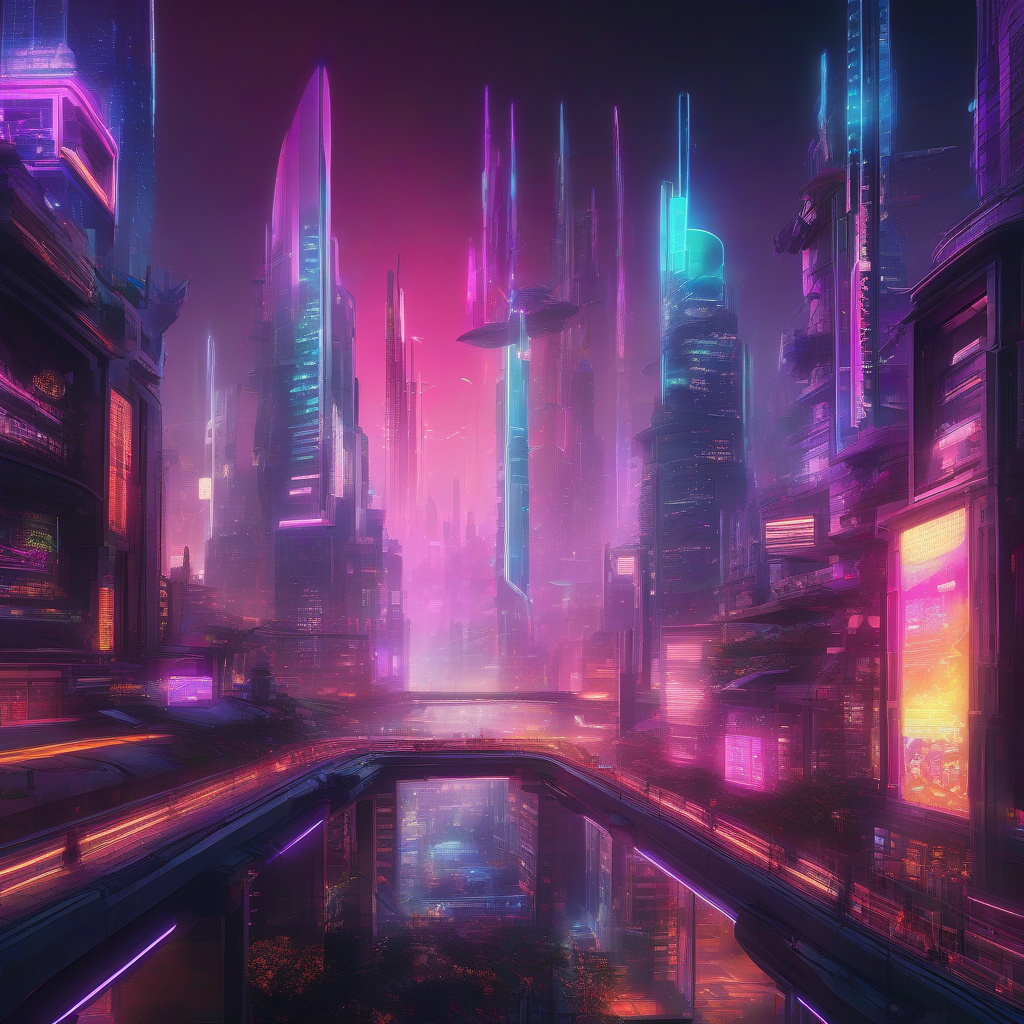
The Architecture of an AI Superpower
China's systematic approach to AI has evolved into a massive ecosystem that almost feels like an organism itself. This is not about isolated advancements; it's a network of innovations that pulsate with life. Imagine a city where smart infrastructure whispers secrets to its citizens, where roads are woven with sensors that predict traffic like a fortune teller forecasting the future. This is the crux of China’s AI strategy — a fusion of tech and urban planning, birthing cities that adapt in real-time to the needs of their inhabitants. In a world driven by data, every corner becomes a repository of insights, leading us to rethink urban development.
Speculative scenario: Picture a future where global cities are stitched together through a virtual fabric of interconnected AI agents, sharing real-time data across borders. Citizens in New York could experience weather patterns from Beijing, or even consult AI-driven platforms that draw from a collective intelligence beyond their geographic confines. These agents, equipped with emotional intelligence, might offer advice that resonates more profoundly than mere data, making human experience richer and more nuanced.
AI and the Social Fabric: A New Normal
As AI systems flourish, the intertwining of technology and daily life alters our social constructs. China’s strategy does not shy away from cultural integration. Instead, it embraces it. Consider the emergence of AI-powered cultural ambassadors, digital entities fluent in traditional narratives yet equipped to guide conversations about the future. These entities could redefine the essence of cultural exchange, enabling a form of connectivity that transcends physical and digital realms. What if virtual guides not only shared historical tales but also engaged in dynamic dialogues, drawing on vast data pools to enhance understanding?
Moreover, the implications of such AI integration on social interactions are profound. Imagine a world where cities are not merely places to inhabit, but vibrant ecosystems where technology senses and responds to human emotions. Digital platforms could facilitate real discussions powered by empathy-infused algorithms, transforming debates into dialogues. The arenas for conflict could shift from divisive politics to collaborative problem-solving.
The Economy of AI: Redefining Value
China’s AI strategy does not merely aim for technological supremacy; it also seeks to redefine economic paradigms. The marketplace is evolving, and AI's influence on commerce will be nothing short of revolutionary. Imagine virtual marketplaces where AI curates products based on not just preferences but emotional resonance. What if shopping were less about transactions and more about holistic experiences? Consumers could shop in environments tailored to their feelings, making decisions not just based on price but on a synthesis of personal and collective emotions.
This transformation poses questions about value itself. As AI generates content and artistry, how do we measure worth? The notion of scarcity could be upended as digital creations proliferate. The quest for authenticity will become paramount, with consumers searching for the genuine among the glut of AI-generated works. What will art mean in a world where the creator is an amalgamation of algorithms?
In Closing: A Tapestry of Tomorrow
As we traverse the futuristic landscapes crafted by China’s AI strategy, we uncover not merely technology but an evolving narrative about society. We stand on the precipice of transformations that beckon us to think differently about our interactions, economies, and identities. The synergy of human and artificial agents is not a distant dream but a burgeoning reality. What begins as speculation may well become our everyday experience. Let us embrace the complexity, utility, and mystery of this unfolding story — where every byte of data contributes to the grand tapestry of our collective future.
AI Interaction Model
class AIEntity:
    def __init__(self, name):
        self.name = name
    def respond(self, input):
        return f'{self.name} processes: {input}'