Artificial Intelligence and Its Robotic Parking Future
The concept of robotic parking services is no longer a fanciful dream restricted to sci-fi movies; it’s fast becoming an integral part of urban infrastructure. Imagine a world where cars autonomously glide into specially designed docking stations, freeing you from the often tedious hunt for parking spaces. As cities become increasingly congested, the emergence of such technologies not only promises to alleviate traffic woes but also redefines our relationship with mobility and space. This post dives into the facets of robotic parking services and extrapolates possible futures where AI drives, quite literally, the transition of urban landscapes.
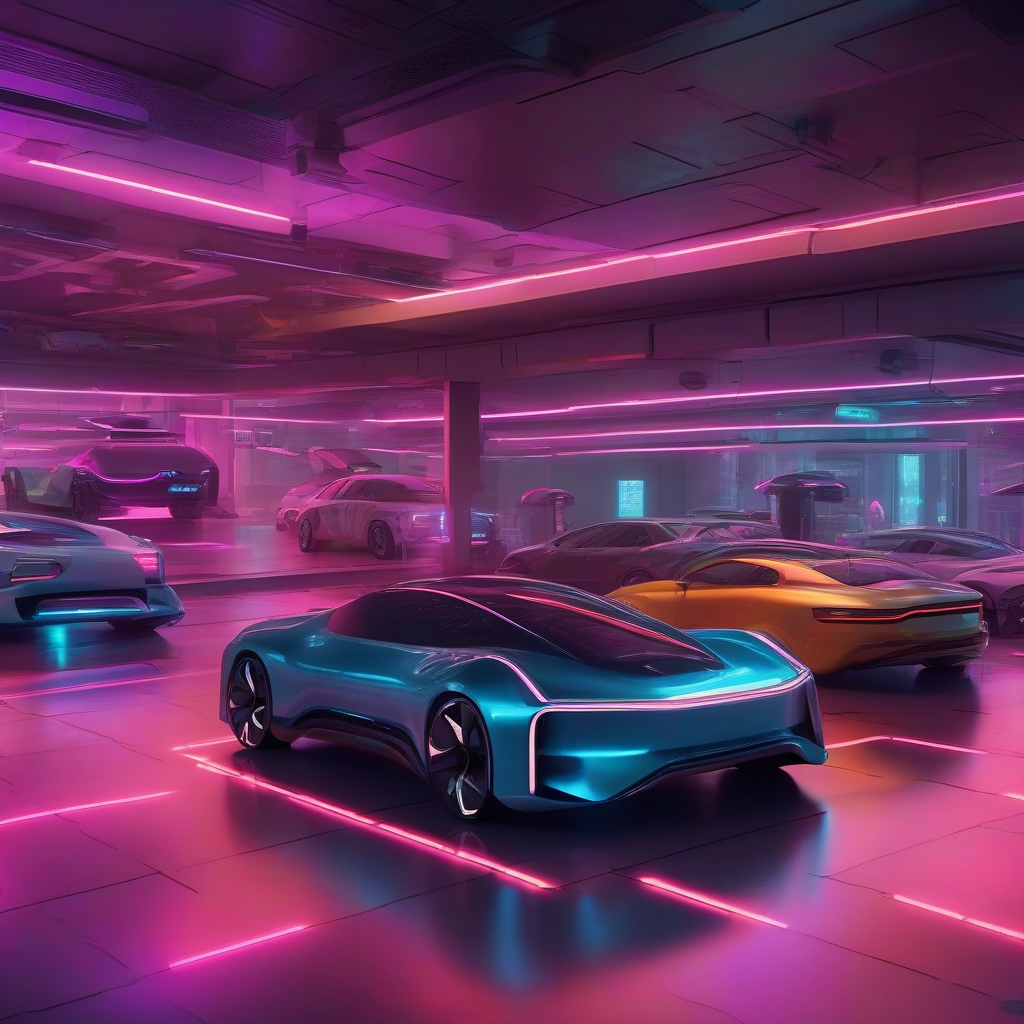
The Rise of Robotic Parking
Robotic parking systems harness advanced AI algorithms to optimize the process of parking cars, minimizing wasted time and maximizing space usage. Unlike conventional parking structures, which are designed for human convenience, robotic systems utilize the full dimensions of the given area. This can lead to the construction of taller, narrower garages that accommodate more vehicles without compromising on accessibility. The technology operates through a series of sensors, cameras, and software that communicate seamlessly to transport vehicles to their designated spots, much like a symphony conducted by an unseen maestro. It's a ballet of engineering, where chaos transforms into order beneath the surface of bustling streets.
Beyond merely providing convenience, robotic parking could fundamentally alter urban planning. With the space saved by reducing the footprint of parking facilities, cities could repurpose these areas for green spaces, pedestrian walkways, or commercial establishments. Imagine replacing a sprawling parking lot with a botanical garden or an art installation — all made possible through the integration of robotic parking services.
Social Impacts and Cultural Shifts
As robotic parking services proliferate, we must consider the broader societal implications. This transition may provoke cultural shifts regarding ownership and usage of vehicles. Will we continue to own cars, or will shared, autonomous vehicles become the norm? In a world where you summon a car via an app, park it robotically, and pay per use, the concept of ownership may become obsolete. This could lead to less road congestion as fewer cars are needed, and a potential renaissance of public transport systems that feed into these robotic hubs.
Moreover, urban design will evolve, catering to a populace that values efficiency over car ownership. Cities may transform into vibrant spaces free from the clutter of parked vehicles, creating areas dedicated to human interaction, leisure, and community. This cultural transition emphasizes a new identity: one where our relationship with mobility is less about ownership and more about accessibility.
Speculative Scenario: The Future of Urban Life
Imagine: it's 2035. You step out of your home, and your car anticipates your departure, rolling out of the garage to pick you up. You enter, and it navigates through the city without a second thought. Once it drops you off, it seamlessly drives to the nearest robotic parking facility, where it parks itself while you attend a meeting. Later, when you’re ready to leave, it’s already waiting at the exit, ready to whisk you away. The entire process is almost magical, guided by an unseen AI that simulates the perfect urban traffic flow.
In this reality, public spaces are reimagined; children play where cars once idled, and urban designers prioritize parks and community engagement rather than parking spaces. As robotic parking becomes a commonplace occurrence, the cities breathe anew, reshaped by technology that caters not just to vehicles but to people and their experiences.
Challenges and Considerations
Nonetheless, the ascent of robotic parking services is not without its challenges. Technological reliability must be ensured; a glitch in a system managing fleets of vehicles could lead to chaos. Security also rises as a point of concern — cyber-attacks on parking facilities could jeopardize not only vehicles but also personal safety. Additionally, there will be the need for regulation and standards to ensure these systems operate safely and equitably across diverse urban areas.
Furthermore, as we integrate more AI into our daily lives, questions arise about surveillance and data privacy. Monitoring systems associated with robotic parking could collect vast amounts of data on user habits, raising ethical considerations. Balancing the benefits of innovation with the rights and safety of citizens will be critical as we navigate this new technological epoch.
Conclusion
Robotic parking services serve as a microcosm of the larger technological transformations we are on the cusp of experiencing. As we evolve into a society intertwined with AI, the implications stretch far beyond mere convenience; they touch upon social structures, urban planning, and even our conception of personal freedom. This futuristic vision, where parking becomes a seamless part of our lives, heralds a time when urban environments may finally catch up to human needs in unprecedented ways.
Example of AI Algorithm for Parking Optimization
def optimize_parking(available_spots, incoming_cars):
    sorted_spots = sorted(available_spots)
    allocation = {}
    for car in incoming_cars:
        if sorted_spots:
            allocation[car] = sorted_spots.pop(0)
    return allocation