The Role of AI in Shaping Future Urban Landscapes
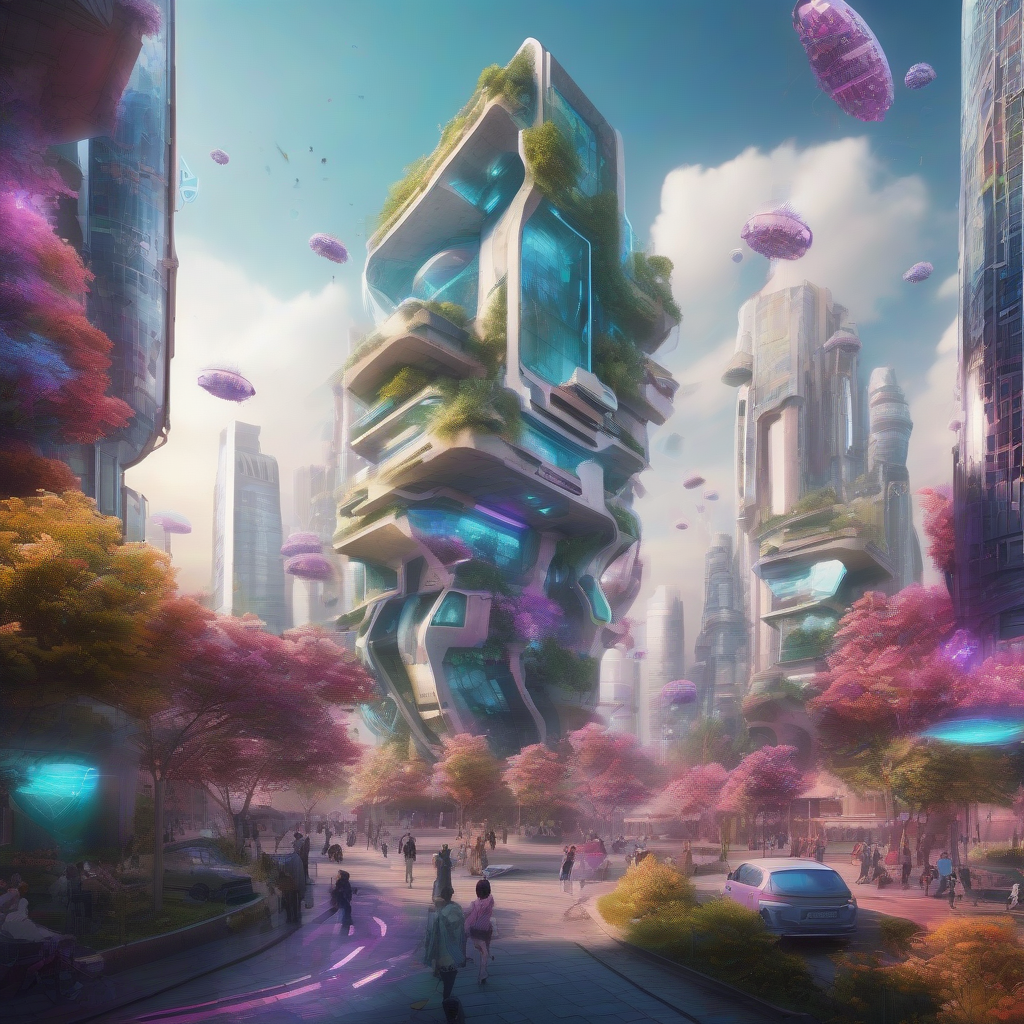
Welcome to the city of tomorrow! A metropolis where skyline silhouettes twist into the clouds, buildings pulsate with digital life, and artificial intelligence is not just a tool but a co-architect. The role of AI in shaping urban landscapes is like an infusion of exhilaration into the conventional blueprints of city planning, challenging our perceptions and propelling us into scenarios that feel more like science fiction than reality. Imagine strolling through streets that react to your mood, where robots provide companionship alongside humans, and data-driven designs morph to fit the ebb and flow of city life — it’s a wild ride ahead!
Cities have always been a reflection of human progress and aspiration, yet the advent of AI ushers in a new urban renaissance. We're not just talking about smart traffic lights or AI-driven resource management; we're on the brink of an urban ecosystem redefined by algorithms and machine learning. What if the very fabric of our cities began to anticipate our needs, transforming based on the collective emotional pulse of its residents? Picture streets that rise to meet the demand for pedestrian space during peak hours, or parks that change their layout seasonally based on data collected from local fauna and flora.
AI as Urban Architect
The concept of AI acting as an urban architect flips traditional architecture on its head. Traditionally, architects and planners have relied on historical precedents and human-centric designs. However, AI, with its sheer computational power, can analyze data at an unimaginable scale, predicting how people will move, interact, and dwell within urban spaces. Imagine a city where AI generates real-time blueprints that adapt to changing populations and lifestyles, optimizing space and resource allocation like a game of Tetris played on a grand scale. It could mean a decrease in wasted space and an uptick in community engagement.
But this AI-driven architecture raises questions of its own. If AI can design and build, who ensures that it serves human needs rather than corporate profits? The risk of algorithmic bias in urban planning — where certain demographics or neighborhoods are systematically overlooked — looms large. How do we safeguard against an urban landscape that merely reflects the elite's vision? The balance between AI's creative potential and ethical oversight could become the defining challenge of our time, warranting a discussion on governance and inclusivity in AI-decision making.
The Emotional Infrastructure of Cities
Imagine: What if cities had emotional intelligence? AI systems integrated within the urban fabric could gauge the mood of the populace, responding not just to traffic patterns but also to emotional cues. Sensors could detect when communities are experiencing stress or joy, allowing city systems to react accordingly — adding stress-relief zones during high tension periods or enhancing communal gathering spaces when joy abounds. This emotional infrastructure would redefine our interaction with space, placing community well-being at the forefront of urban development.
The implications of such technology are profound. Every resident becomes a part of a feedback loop, where their sentiments and experiences directly influence urban policies and designs. Would local governments channel resources into community projects that reflect the population’s collective happiness? Or would this data be manipulated, creating an echo chamber of what the city planners believe is best? This continuous loop of interaction could either enhance or complicate urban life, depending on who gets to interpret the emotional data.
Crisis Management and Resilience
Beyond beautification and emotional engagement, AI's role as a crisis management tool in urban landscapes cannot be overlooked. As we face climate change, natural disasters, and pandemics, AI could be the backbone of a more resilient urban environment. By analyzing patterns and predicting potential crises, AI can prepare cities to respond proactively rather than reactively. Imagine an AI that orchestrates city resources during an emergency, optimizing evacuation routes in real-time or deploying drones to deliver supplies where needed most in the wake of a disaster.
However, this presents another layer of complexity: dependency. If cities become too reliant on AI systems for daily operations and crisis management, what happens when those systems fail? A single point of failure could exacerbate crises instead of alleviating them. The utopian vision of AI-enabled urban resilience could turn dystopian in an instant, leading us to question how much we should rely on technology while also reminding us of the importance of human agency and adaptability.
A Speculative Conclusion
As we stand on the cusp of the urban revolution, the role of AI in shaping urban landscapes invites both excitement and skepticism. AI promises a future rich with potential — connecting us more deeply to our environments, enhancing our emotional experiences, and optimizing our city infrastructures. But with this promise comes the weight of responsibility and ethical consideration. The way forward is fraught with complexities that require vigilance and a collaborative spirit; cities that listen to their citizens, that adapt to reflect the emotional landscapes of their residents, are cities ready to embrace what’s next.
Ultimately, the cities of tomorrow are not merely spaces of steel and concrete, but living organisms crafted with the vibrant pulse of their inhabitants. As we step into this brave new world, let’s ensure that AI becomes a partner, not a dictator, in our urban future. Let us navigate these uncharted waters with both excitement for the potential and caution against the pitfalls.
Example AI Urban Planning Framework
def ai_city_planner(data):
    # Analyzes urban data and generates an adaptive blueprint
    return adaptive_blueprint