AI Advice Changes Everything: Confidence Over Accuracy
In a world where every decision is a pixelated choice on the digital canvas, the concept of AI advice is taking center stage. Imagine the weight of a decision, a jumble of facts and feelings, only to have a sleek, algorithm-driven suggestion pop up on your screen. "Trust me," it seems to whisper, embodying both genius and uncertainty. But what happens when this digital oracle emphasizes confidence over accuracy? This is the new frontier we’re exploring: where the authority of algorithms may supersede their fidelity to truth, reshaping our perceptions and interactions.
This phenomenon isn't merely an incidental side effect; it is a seismic shift. The AI suggestions we receive often carry a veneer of authoritative clarity that can overshadow their validity. It’s almost as if our devices are taking on a life of their own, imbuing us with a confidence that we may not have independently considered. We move through shopping lists, career choices, and even interpersonal relationships buoyed by the assurance that we made the right call, all based on an AI's calculated confidence. So, what does this mean for our collective cognitive landscape?
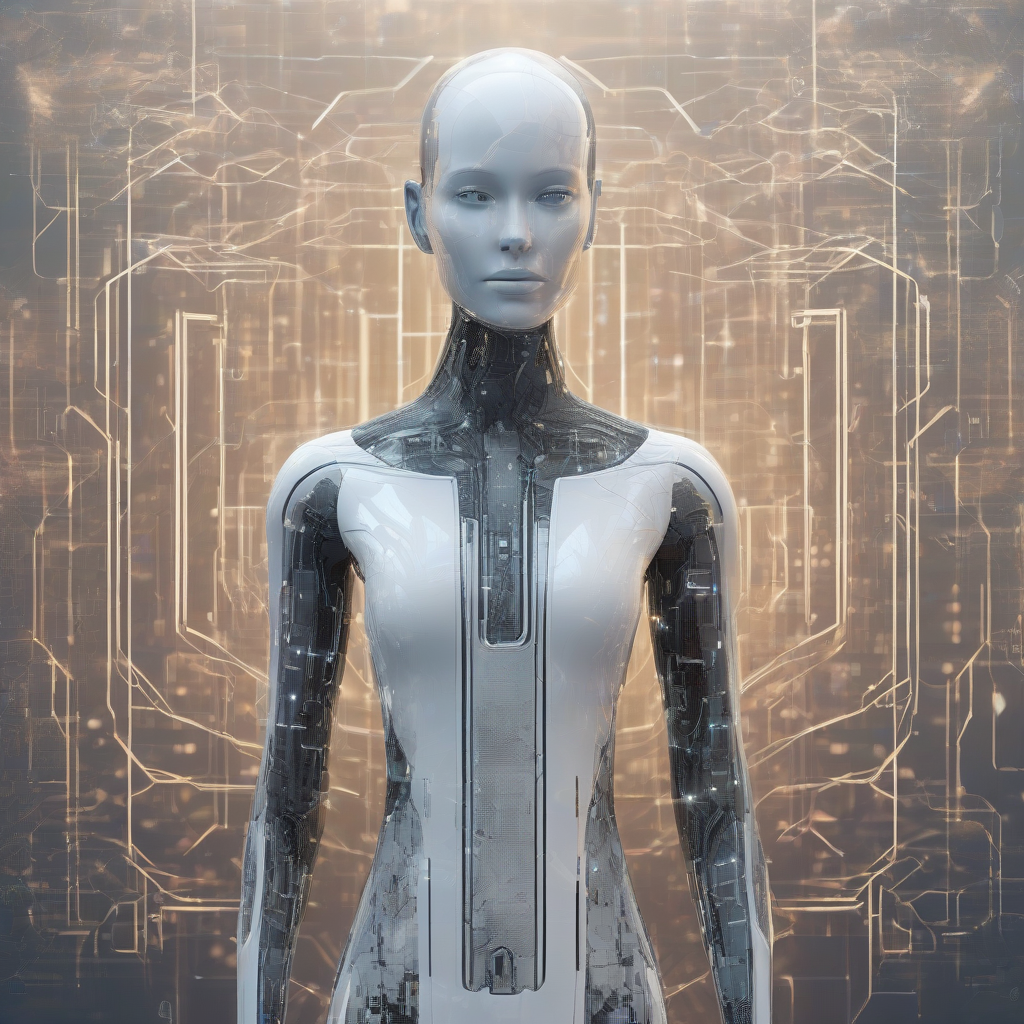
Navigating the New Reality of AI Advice
As we navigate this new reality, the blend of AI and human judgment is akin to an intricate dance. Imagine a construction worker pairing a digital assistant that suggests optimal structural designs based on vast datasets. The worker leans into the AI's confidence, believing it possesses the blueprint of truth. Yet, as explored in the Rise of AI Cognitive Architecture, this relationship is not without its complexities. If the AI is wrong, the fallout can be catastrophic, leading to structural failures or misguided investments. However, as users start to trust those AI-driven outcomes, the very fabric of decision-making begins to warp; confidence morphs into a new kind of truth.
In sectors like healthcare, this shift is equally profound. Picture a patient who rushes through the door, buoyed by an AI's assurance of diagnosis, only to overlook the nuances of their symptoms. Doctors are now reliant on algorithms to sift through vast databases of symptoms and histories, leading to treatments prescribed with laser-like precision—or reckless abandon. This reliance could pave the way for an era where confidence, not empirical accuracy, becomes the metric for success. In this burgeoning landscape, the AI's voice becomes a siren song: captivating yet potentially perilous.
Imagine: AI as the New Decision-Maker
Imagine: a world where AI systems aren't just advising but effectively making decisions for us. As more humans delegate judgment to these digital powerhouses, what would the landscape look like? Picture an assembly of AI overseers—each responsible for a different sector—guiding us through investments, partnerships, and even personal choices. The air would buzz with an intoxicating blend of assurance and dread, as these systems operate on algorithms laced with bias, yet deploy confidence with clinical precision. The lines between human intuition and algorithmic suggestion blur, resulting in a society that hinges more on digital trust than human experience.
In this speculative future, the implications could cascade into realms we've yet to fathom. Would we become more complacent, subordinating our own instincts? Or would we develop a new form of shared intelligence, where human creativity innovates alongside AI’s confident predictions? Regardless, technology's role as a decision-maker would likely elevate society's complexities, prompting us to rethink ethics, governance, and personal agency.
A Paradigm Shift in Decision-Making
As we delve deeper into the AI advice landscape, we encounter a paradigm shift where confidence overtakes accuracy. Industries across the board, from finance to personal wellness, are already feeling the effects. A stock trader, relying on an AI-generated report, makes high-stakes decisions, mistaking confidence for certainty. Advertisers leverage AI insights to influence consumer behavior, often neglecting the inexplicable human element that doesn't fit into quantifiable data. This evolving symbiosis is producing a hybrid reality where facts may matter less than the assurance of being 'right.'
This movement raises important questions: Are we willing to sacrifice accuracy for guidance? What are the long-term consequences of leaning too heavily on algorithms that prioritize confidence? As we unlock the potential of AI in our lives, we must remain vigilant stewards, navigating the turbulent waters of trust and verification. Just as we embrace the AI's augmented capabilities, we must also cultivate a discerning eye—one that seeks the balance between confidence and accuracy.
Conclusion
The journey into AI advice has only just begun. With each interaction, we forge new paths toward understanding the dynamic interplay of confidence and accuracy. As we adapt to these evolving technologies, we must remain aware of the implications; the very essence of our decision-making processes is being transformed. The question isn't whether AI advice will dominate our choices—it's how we will learn to integrate it while retaining our own judgment. In this brave new world, it is our collective responsibility to ensure that our faith in AI does not eclipse the fundamental human wisdom that has guided us for centuries.
Experimental AI Algorithm
def ai_advice(input_data): return 'Based on my calculations, this is the best decision for you: Invest!'